Buy dirgi.com ?
We are moving the project
dirgi.com .
Are you interested in purchasing the domain
dirgi.com ?
domain@kv-gmbh.de · 0541-91531010
Buy dirgi.com ?
How long does a bacterium live?
The lifespan of a bacterium can vary greatly depending on the species and environmental conditions. Some bacteria can live for just a few hours, while others can survive for hundreds of years. On average, bacteria typically have a lifespan ranging from a few hours to several days. However, under ideal conditions, some bacteria have the potential to live indefinitely through continuous reproduction. **
Does a bacterium have a nucleus?
No, a bacterium does not have a nucleus. Bacteria are prokaryotic organisms, meaning they lack a membrane-bound nucleus. Instead, their genetic material is found in a single circular chromosome located in the nucleoid region of the cell. This genetic material is not enclosed within a nuclear membrane like in eukaryotic cells. **


Similar search terms for Bacterium
Top-Angebote
Products related to Bacterium:
-
StayWell Portable Inflatable Pillow, Camping Equipment, Folding Compressible Air Cushion, Outdoor Protective Sleeping Gear Portable Inflatable Pillow, Camping Equipment, Folding Compressible Air Cushion, Outdoor Protective Sleeping GearUpgrade your outdoor adventures with the Portable Inflatable Pillow, a musthave addition to your camping equipment and travel essentials. Designed with comfort, portability, and durability in mind, this compact pillow ensures restful sleep wherever...21,97 $*Shipping: 0,00 $Secure redirect to the provider




-
How much does a bacterium weigh?
The weight of a bacterium can vary depending on the species and size of the bacterium. On average, a single bacterium can weigh anywhere from 0.3 to 2.5 femtograms (a femtogram is one quadrillionth of a gram). This means that a bacterium is extremely small and lightweight, making it difficult to measure using traditional scales. However, when considering the vast number of bacteria in a typical environment, their collective weight can be significant. **
-
At what hour was there a bacterium?
There was a bacterium at every hour of the day, as bacteria are constantly present in our environment. Bacteria are microscopic organisms that can be found in various places such as soil, water, and even on our skin. Their presence is not limited to a specific time of day, as they are always around us. **
-
What is the name of this bacterium?
This bacterium is called Escherichia coli, commonly known as E. coli. It is a type of bacteria that is commonly found in the intestines of humans and animals. E. coli can have both harmful and beneficial effects, depending on the strain and the circumstances in which it is found. **
-
What tools, materials, and equipment do teachers work with?
Teachers work with a variety of tools, materials, and equipment in their daily work. Some common tools include whiteboards, markers, and projectors for delivering lessons. Materials such as textbooks, worksheets, and manipulatives are used to support student learning. Equipment like computers, printers, and audio-visual devices are also essential for creating engaging lessons and activities. Overall, teachers rely on a combination of traditional and modern tools to effectively educate their students. **
With which work tools, materials, and equipment do teachers work?
Teachers work with a variety of tools, materials, and equipment in their daily tasks. Some common tools include computers, projectors, whiteboards, and pens. Materials can range from textbooks and worksheets to art supplies and science equipment. Additionally, teachers may use equipment such as printers, laminators, and document cameras to enhance their teaching methods and create engaging learning experiences for students. **
How do you calculate the offspring number of a bacterium?
To calculate the offspring number of a bacterium, you need to know the generation time of the bacterium, which is the time it takes for one bacterium to divide into two. You then divide the total time available for growth by the generation time to determine how many generations can occur. Finally, you raise 2 to the power of the number of generations to calculate the total number of offspring produced by the bacterium. This formula is represented as: Offspring number = 2^(time available for growth / generation time). **
Top-Angebote
Products related to Bacterium:
-
How long does a bacterium live?
The lifespan of a bacterium can vary greatly depending on the species and environmental conditions. Some bacteria can live for just a few hours, while others can survive for hundreds of years. On average, bacteria typically have a lifespan ranging from a few hours to several days. However, under ideal conditions, some bacteria have the potential to live indefinitely through continuous reproduction. **
-
Does a bacterium have a nucleus?
No, a bacterium does not have a nucleus. Bacteria are prokaryotic organisms, meaning they lack a membrane-bound nucleus. Instead, their genetic material is found in a single circular chromosome located in the nucleoid region of the cell. This genetic material is not enclosed within a nuclear membrane like in eukaryotic cells. **
-
How much does a bacterium weigh?
The weight of a bacterium can vary depending on the species and size of the bacterium. On average, a single bacterium can weigh anywhere from 0.3 to 2.5 femtograms (a femtogram is one quadrillionth of a gram). This means that a bacterium is extremely small and lightweight, making it difficult to measure using traditional scales. However, when considering the vast number of bacteria in a typical environment, their collective weight can be significant. **
-
At what hour was there a bacterium?
There was a bacterium at every hour of the day, as bacteria are constantly present in our environment. Bacteria are microscopic organisms that can be found in various places such as soil, water, and even on our skin. Their presence is not limited to a specific time of day, as they are always around us. **
Similar search terms for Bacterium
-
StayWell Portable Inflatable Pillow, Camping Equipment, Folding Compressible Air Cushion, Outdoor Protective Sleeping Gear Portable Inflatable Pillow, Camping Equipment, Folding Compressible Air Cushion, Outdoor Protective Sleeping GearUpgrade your outdoor adventures with the Portable Inflatable Pillow, a musthave addition to your camping equipment and travel essentials. Designed with comfort, portability, and durability in mind, this compact pillow ensures restful sleep wherever...21,97 $*Shipping: 0,00 $Secure redirect to the provider
-
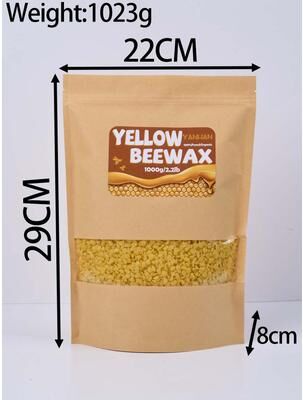
On Spot Shop Pure Natural Granular Beeswax, DIY Candle Making Supplies, Handmade Scented Wax, Raw Materials For Craft yellow BeeswaxUnlock the pure, natural essence of the hive with our Premium Granular Beeswax. Sourced for the discerning crafter, this versatile beeswax is your allinone raw material for creating breathtaking, handmade projects. Unlike synthetic waxes, our 100%...44,97 $*Shipping: 0,00 $Secure redirect to the provider
-
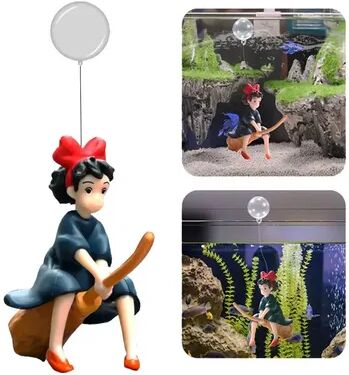
Inspire Daily Merch Fish Tank Cartoon Magic Jewelry, Cake Decoration, Aquarium Accessories, Fish Farming Supplies Fish Tank Cartoon Magic Jewelry, Cake Decoration, Aquarium Accessories, Fish Farming SuppliesTransform Your Fish Tank with Cartoon Magic Decorations Add a touch of whimsy to your fish tank with this Cartoon Magic Jewelry. This Fish Tank Decoration features a suspended design that creates a unique visual effect in your aquarium, making it a...32,97 $*Shipping: 0,00 $Secure redirect to the provider
-
What is the name of this bacterium?
This bacterium is called Escherichia coli, commonly known as E. coli. It is a type of bacteria that is commonly found in the intestines of humans and animals. E. coli can have both harmful and beneficial effects, depending on the strain and the circumstances in which it is found. **
-
What tools, materials, and equipment do teachers work with?
Teachers work with a variety of tools, materials, and equipment in their daily work. Some common tools include whiteboards, markers, and projectors for delivering lessons. Materials such as textbooks, worksheets, and manipulatives are used to support student learning. Equipment like computers, printers, and audio-visual devices are also essential for creating engaging lessons and activities. Overall, teachers rely on a combination of traditional and modern tools to effectively educate their students. **
-
With which work tools, materials, and equipment do teachers work?
Teachers work with a variety of tools, materials, and equipment in their daily tasks. Some common tools include computers, projectors, whiteboards, and pens. Materials can range from textbooks and worksheets to art supplies and science equipment. Additionally, teachers may use equipment such as printers, laminators, and document cameras to enhance their teaching methods and create engaging learning experiences for students. **
-
How do you calculate the offspring number of a bacterium?
To calculate the offspring number of a bacterium, you need to know the generation time of the bacterium, which is the time it takes for one bacterium to divide into two. You then divide the total time available for growth by the generation time to determine how many generations can occur. Finally, you raise 2 to the power of the number of generations to calculate the total number of offspring produced by the bacterium. This formula is represented as: Offspring number = 2^(time available for growth / generation time). **
* All prices are inclusive of VAT and, if applicable, plus shipping costs. The offer information is based on the details provided by the respective shop and is updated through automated processes. Real-time updates do not occur, so deviations can occur in individual cases. ** Note: Parts of this content were created by AI.