Buy dirgi.com ?
We are moving the project
dirgi.com .
Are you interested in purchasing the domain
dirgi.com ?
domain@kv-gmbh.de · 0541-91531010
Buy dirgi.com ?
What are helical headaches?
Helical headaches are a type of headache that is characterized by a sensation of pain that travels in a helical or spiral pattern around the head. This type of headache is often described as a throbbing or pulsating pain that starts at one point on the head and then moves in a circular or spiral motion. Helical headaches can be quite intense and may be associated with other symptoms such as nausea, sensitivity to light or sound, and visual disturbances. They can be caused by various factors such as stress, tension, migraines, or other underlying health conditions. **
What is the function of the socket in the helical gear?
The function of the socket in the helical gear is to provide a space for the gear to mesh with other gears or shafts. The socket allows for the transmission of rotational motion and power between the gears. It also helps to maintain the proper alignment and engagement of the gears, ensuring smooth and efficient operation. Additionally, the socket helps to distribute the load and reduce wear on the gear teeth, prolonging the lifespan of the gear system. **


Similar search terms for Helical
Top-Angebote
Products related to Helical:
-
StayWell Portable Inflatable Pillow, Camping Equipment, Folding Compressible Air Cushion, Outdoor Protective Sleeping Gear Portable Inflatable Pillow, Camping Equipment, Folding Compressible Air Cushion, Outdoor Protective Sleeping GearUpgrade your outdoor adventures with the Portable Inflatable Pillow, a musthave addition to your camping equipment and travel essentials. Designed with comfort, portability, and durability in mind, this compact pillow ensures restful sleep wherever...21,97 $*Shipping: 0,00 $Secure redirect to the provider



-
How do the teeth of a helical gear mesh in Solidworks?
In Solidworks, the teeth of a helical gear mesh by sliding along the helix angle as they come into contact with each other. The helical gear teeth are designed to have a slight angle, which allows for a smoother and quieter meshing compared to straight-cut gears. When simulating the meshing of helical gears in Solidworks, the software calculates the contact points between the teeth and ensures that they mesh properly based on the specified helix angle and gear geometry. This allows for accurate representation of the meshing behavior of helical gears in Solidworks. **
-
How are tunnels bonded with helical threaded inserts?
Tunnels are bonded with helical threaded inserts by first drilling a hole into the tunnel wall. Then, the helical threaded insert is inserted into the hole and bonded in place using an adhesive or grout. The threads on the insert provide a strong mechanical bond with the surrounding concrete, while the adhesive or grout ensures a secure and durable connection. This method is commonly used to reinforce and stabilize tunnel walls, providing additional support and preventing potential structural issues. **
-
What tools, materials, and equipment do teachers work with?
Teachers work with a variety of tools, materials, and equipment in their daily work. Some common tools include whiteboards, markers, and projectors for delivering lessons. Materials such as textbooks, worksheets, and manipulatives are used to support student learning. Equipment like computers, printers, and audio-visual devices are also essential for creating engaging lessons and activities. Overall, teachers rely on a combination of traditional and modern tools to effectively educate their students. **
-
Where can I get information about helical lines in physics?
You can find information about helical lines in physics in textbooks on electromagnetism, particularly in sections discussing the magnetic field created by a current-carrying wire. Online resources such as educational websites, physics forums, and research articles can also provide detailed explanations and examples of helical lines. Additionally, reaching out to physics professors or experts in the field can help you gain a deeper understanding of helical lines and their significance in physics. **

Why is there an axial force component in helical gears?
The axial force component in helical gears is present due to the helix angle of the gear teeth. This angle causes the teeth to be inclined at an angle to the gear axis, resulting in a force component along the axis of rotation. This axial force helps to maintain proper meshing between the gears and counteracts any tendency for the gears to move apart under load. It also helps to distribute the load more evenly across the gear teeth, leading to smoother and more efficient operation. **
Why is an axial force component generated in helical gears?
An axial force component is generated in helical gears due to the helix angle of the gear teeth. The helix angle causes the teeth to be inclined at an angle relative to the gear axis, which results in a component of the force being directed along the axis of the gear. This axial force helps to maintain proper meshing between the gears and counteracts any tendency for the gears to move apart due to the tangential force generated during operation. **
Top-Angebote
Products related to Helical:
-
What are helical headaches?
Helical headaches are a type of headache that is characterized by a sensation of pain that travels in a helical or spiral pattern around the head. This type of headache is often described as a throbbing or pulsating pain that starts at one point on the head and then moves in a circular or spiral motion. Helical headaches can be quite intense and may be associated with other symptoms such as nausea, sensitivity to light or sound, and visual disturbances. They can be caused by various factors such as stress, tension, migraines, or other underlying health conditions. **
-
What is the function of the socket in the helical gear?
The function of the socket in the helical gear is to provide a space for the gear to mesh with other gears or shafts. The socket allows for the transmission of rotational motion and power between the gears. It also helps to maintain the proper alignment and engagement of the gears, ensuring smooth and efficient operation. Additionally, the socket helps to distribute the load and reduce wear on the gear teeth, prolonging the lifespan of the gear system. **
-
How do the teeth of a helical gear mesh in Solidworks?
In Solidworks, the teeth of a helical gear mesh by sliding along the helix angle as they come into contact with each other. The helical gear teeth are designed to have a slight angle, which allows for a smoother and quieter meshing compared to straight-cut gears. When simulating the meshing of helical gears in Solidworks, the software calculates the contact points between the teeth and ensures that they mesh properly based on the specified helix angle and gear geometry. This allows for accurate representation of the meshing behavior of helical gears in Solidworks. **
-
How are tunnels bonded with helical threaded inserts?
Tunnels are bonded with helical threaded inserts by first drilling a hole into the tunnel wall. Then, the helical threaded insert is inserted into the hole and bonded in place using an adhesive or grout. The threads on the insert provide a strong mechanical bond with the surrounding concrete, while the adhesive or grout ensures a secure and durable connection. This method is commonly used to reinforce and stabilize tunnel walls, providing additional support and preventing potential structural issues. **
Similar search terms for Helical
-
StayWell Portable Inflatable Pillow, Camping Equipment, Folding Compressible Air Cushion, Outdoor Protective Sleeping Gear Portable Inflatable Pillow, Camping Equipment, Folding Compressible Air Cushion, Outdoor Protective Sleeping GearUpgrade your outdoor adventures with the Portable Inflatable Pillow, a musthave addition to your camping equipment and travel essentials. Designed with comfort, portability, and durability in mind, this compact pillow ensures restful sleep wherever...21,97 $*Shipping: 0,00 $Secure redirect to the provider
-
On Spot Shop Pure Natural Granular Beeswax, DIY Candle Making Supplies, Handmade Scented Wax, Raw Materials For Craft yellow BeeswaxUnlock the pure, natural essence of the hive with our Premium Granular Beeswax. Sourced for the discerning crafter, this versatile beeswax is your allinone raw material for creating breathtaking, handmade projects. Unlike synthetic waxes, our 100%...44,97 $*Shipping: 0,00 $Secure redirect to the provider
-
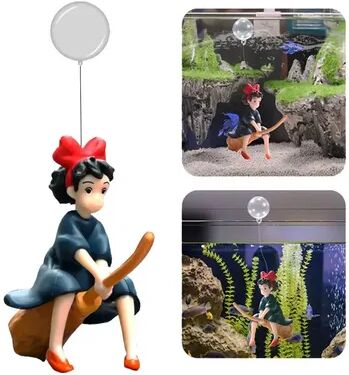
Inspire Daily Merch Fish Tank Cartoon Magic Jewelry, Cake Decoration, Aquarium Accessories, Fish Farming Supplies Fish Tank Cartoon Magic Jewelry, Cake Decoration, Aquarium Accessories, Fish Farming SuppliesTransform Your Fish Tank with Cartoon Magic Decorations Add a touch of whimsy to your fish tank with this Cartoon Magic Jewelry. This Fish Tank Decoration features a suspended design that creates a unique visual effect in your aquarium, making it a...32,97 $*Shipping: 0,00 $Secure redirect to the provider
-
What tools, materials, and equipment do teachers work with?
Teachers work with a variety of tools, materials, and equipment in their daily work. Some common tools include whiteboards, markers, and projectors for delivering lessons. Materials such as textbooks, worksheets, and manipulatives are used to support student learning. Equipment like computers, printers, and audio-visual devices are also essential for creating engaging lessons and activities. Overall, teachers rely on a combination of traditional and modern tools to effectively educate their students. **
-
Where can I get information about helical lines in physics?
You can find information about helical lines in physics in textbooks on electromagnetism, particularly in sections discussing the magnetic field created by a current-carrying wire. Online resources such as educational websites, physics forums, and research articles can also provide detailed explanations and examples of helical lines. Additionally, reaching out to physics professors or experts in the field can help you gain a deeper understanding of helical lines and their significance in physics. **
-
Why is there an axial force component in helical gears?
The axial force component in helical gears is present due to the helix angle of the gear teeth. This angle causes the teeth to be inclined at an angle to the gear axis, resulting in a force component along the axis of rotation. This axial force helps to maintain proper meshing between the gears and counteracts any tendency for the gears to move apart under load. It also helps to distribute the load more evenly across the gear teeth, leading to smoother and more efficient operation. **
-
Why is an axial force component generated in helical gears?
An axial force component is generated in helical gears due to the helix angle of the gear teeth. The helix angle causes the teeth to be inclined at an angle relative to the gear axis, which results in a component of the force being directed along the axis of the gear. This axial force helps to maintain proper meshing between the gears and counteracts any tendency for the gears to move apart due to the tangential force generated during operation. **
* All prices are inclusive of VAT and, if applicable, plus shipping costs. The offer information is based on the details provided by the respective shop and is updated through automated processes. Real-time updates do not occur, so deviations can occur in individual cases. ** Note: Parts of this content were created by AI.