Buy dirgi.com ?
We are moving the project
dirgi.com .
Are you interested in purchasing the domain
dirgi.com ?
domain@kv-gmbh.de · 0541-91531010
Buy dirgi.com ?
What are snowflakes?
Snowflakes are ice crystals that form in the atmosphere when water vapor condenses and freezes around a tiny particle, such as dust or pollen. Each snowflake is unique in its shape and structure, due to the varying temperature and humidity conditions in which it forms. Snowflakes can have intricate and symmetrical patterns, and they come in a wide variety of shapes and sizes. When many snowflakes accumulate, they create the fluffy white blanket we know as snow. **
What tools, materials, and equipment do teachers work with?
Teachers work with a variety of tools, materials, and equipment in their daily work. Some common tools include whiteboards, markers, and projectors for delivering lessons. Materials such as textbooks, worksheets, and manipulatives are used to support student learning. Equipment like computers, printers, and audio-visual devices are also essential for creating engaging lessons and activities. Overall, teachers rely on a combination of traditional and modern tools to effectively educate their students. **
Similar search terms for NextWall-Snowflakes-Peel-and
Top-Angebote
Products related to NextWall-Snowflakes-Peel-and:


-
With which work tools, materials, and equipment do teachers work?
Teachers work with a variety of tools, materials, and equipment in their daily tasks. Some common tools include computers, projectors, whiteboards, and pens. Materials can range from textbooks and worksheets to art supplies and science equipment. Additionally, teachers may use equipment such as printers, laminators, and document cameras to enhance their teaching methods and create engaging learning experiences for students. **
-
Do snowflakes have points?
Yes, snowflakes have points. Snowflakes form when water vapor in the atmosphere condenses and freezes around a tiny particle, creating a unique crystalline structure. This structure results in the formation of intricate, six-sided snowflakes with pointed edges and branches. Each snowflake's points and patterns are determined by the temperature and humidity conditions it encounters as it falls to the ground. **
-
How are large snowflakes formed?
Large snowflakes are formed when multiple ice crystals stick together as they fall through the atmosphere. This can happen when the temperature and humidity conditions are just right for the ice crystals to bond together. As the snowflake falls through different temperature and humidity layers in the atmosphere, it can grow in size by accumulating more ice crystals. The shape and size of a snowflake can also be influenced by factors such as wind patterns and the amount of moisture in the air. **
-
Who else annoys the snowflakes?
In addition to the sun, wind can also annoy snowflakes. When the wind blows, it can cause snowflakes to be blown around and disrupted, making it difficult for them to settle and accumulate on the ground. Strong winds can also create snowdrifts and cause snow to be blown into people's faces, further annoying the snowflakes. **
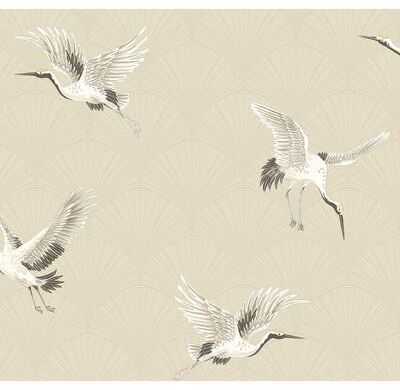

What are these snowflakes for?
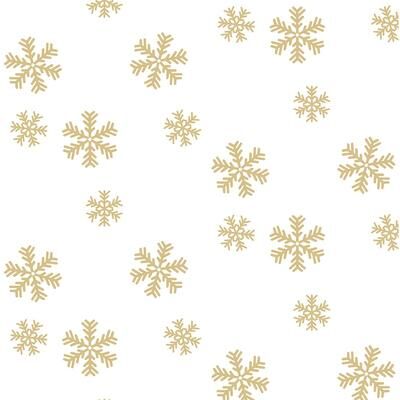
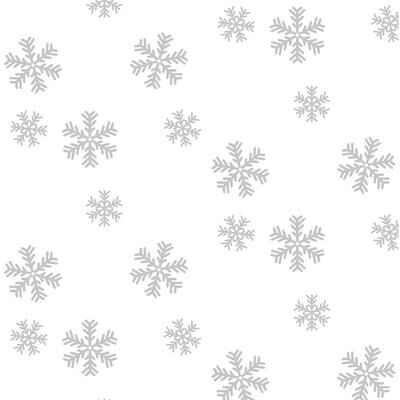
These snowflakes are typically used for decoration during the winter season, especially around the holidays. They can be hung from ceilings, windows, or walls to create a festive and wintery atmosphere. Additionally, they can be used for crafts and DIY projects, such as making homemade holiday cards or ornaments. Overall, snowflakes are a popular symbol of winter and are often used to bring a touch of seasonal cheer to indoor spaces. **
Why are snowflakes always hexagonal?
Snowflakes are always hexagonal because of the way water molecules arrange themselves when they freeze. As water vapor condenses and freezes into ice crystals, the water molecules form a hexagonal lattice structure due to the arrangement of the hydrogen and oxygen atoms. This hexagonal structure is the most stable and efficient way for the water molecules to bond together, resulting in the characteristic six-sided shape of snowflakes. This natural hexagonal structure is what gives snowflakes their unique and intricate patterns. **
Top-Angebote
Products related to NextWall-Snowflakes-Peel-and:
-
What are snowflakes?
Snowflakes are ice crystals that form in the atmosphere when water vapor condenses and freezes around a tiny particle, such as dust or pollen. Each snowflake is unique in its shape and structure, due to the varying temperature and humidity conditions in which it forms. Snowflakes can have intricate and symmetrical patterns, and they come in a wide variety of shapes and sizes. When many snowflakes accumulate, they create the fluffy white blanket we know as snow. **
-
What tools, materials, and equipment do teachers work with?
Teachers work with a variety of tools, materials, and equipment in their daily work. Some common tools include whiteboards, markers, and projectors for delivering lessons. Materials such as textbooks, worksheets, and manipulatives are used to support student learning. Equipment like computers, printers, and audio-visual devices are also essential for creating engaging lessons and activities. Overall, teachers rely on a combination of traditional and modern tools to effectively educate their students. **
-
With which work tools, materials, and equipment do teachers work?
Teachers work with a variety of tools, materials, and equipment in their daily tasks. Some common tools include computers, projectors, whiteboards, and pens. Materials can range from textbooks and worksheets to art supplies and science equipment. Additionally, teachers may use equipment such as printers, laminators, and document cameras to enhance their teaching methods and create engaging learning experiences for students. **
-
Do snowflakes have points?
Yes, snowflakes have points. Snowflakes form when water vapor in the atmosphere condenses and freezes around a tiny particle, creating a unique crystalline structure. This structure results in the formation of intricate, six-sided snowflakes with pointed edges and branches. Each snowflake's points and patterns are determined by the temperature and humidity conditions it encounters as it falls to the ground. **
Similar search terms for NextWall-Snowflakes-Peel-and
-
How are large snowflakes formed?
Large snowflakes are formed when multiple ice crystals stick together as they fall through the atmosphere. This can happen when the temperature and humidity conditions are just right for the ice crystals to bond together. As the snowflake falls through different temperature and humidity layers in the atmosphere, it can grow in size by accumulating more ice crystals. The shape and size of a snowflake can also be influenced by factors such as wind patterns and the amount of moisture in the air. **
-
Who else annoys the snowflakes?
In addition to the sun, wind can also annoy snowflakes. When the wind blows, it can cause snowflakes to be blown around and disrupted, making it difficult for them to settle and accumulate on the ground. Strong winds can also create snowdrifts and cause snow to be blown into people's faces, further annoying the snowflakes. **
-
What are these snowflakes for?
These snowflakes are typically used for decoration during the winter season, especially around the holidays. They can be hung from ceilings, windows, or walls to create a festive and wintery atmosphere. Additionally, they can be used for crafts and DIY projects, such as making homemade holiday cards or ornaments. Overall, snowflakes are a popular symbol of winter and are often used to bring a touch of seasonal cheer to indoor spaces. **
-
Why are snowflakes always hexagonal?
Snowflakes are always hexagonal because of the way water molecules arrange themselves when they freeze. As water vapor condenses and freezes into ice crystals, the water molecules form a hexagonal lattice structure due to the arrangement of the hydrogen and oxygen atoms. This hexagonal structure is the most stable and efficient way for the water molecules to bond together, resulting in the characteristic six-sided shape of snowflakes. This natural hexagonal structure is what gives snowflakes their unique and intricate patterns. **
* All prices are inclusive of VAT and, if applicable, plus shipping costs. The offer information is based on the details provided by the respective shop and is updated through automated processes. Real-time updates do not occur, so deviations can occur in individual cases. ** Note: Parts of this content were created by AI.